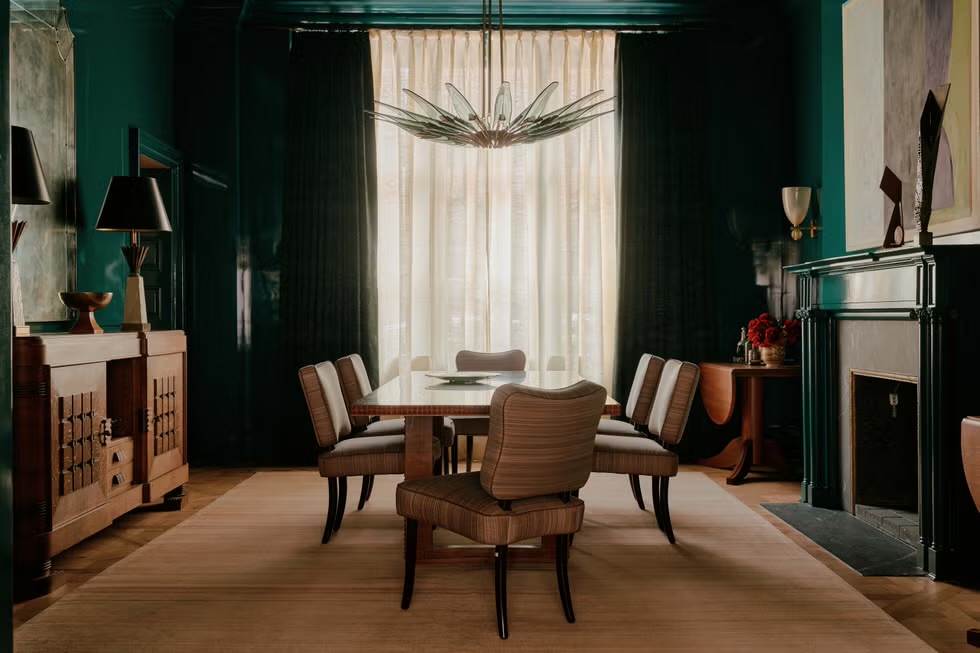
Ambient Lighting Basics: The Foundation of a Well-Designed Interior
December 18, 2025
Ambient lighting is the foundation of every thoughtfully designed interior. While statement fixtures and decorative lamps often get the attention, ambient lighting has the greatest impact on how a space feels, functions, and flows. Building on the fundamentals covered in our Lighting 101 blog, this guide explores ambient lighting basics, why it matters, and how interior designers use it to create inviting, livable homes.
What Is Ambient Lighting?
Ambient lighting is the general, overall illumination of a room. It provides consistent light that allows people to move through a space comfortably and safely. In residential design, ambient lighting should feel natural and effortless. It should not be harsh, overly bright, or uneven. Its purpose is to support the space quietly while setting the overall visual tone.
Why Ambient Lighting Matters in Interior Design
A strong ambient lighting plan shapes how a home is experienced. Without it, rooms can feel flat and disconnected. Thoughtfully designed ambient lighting:
- Creates warmth and comfort
- Enhances architectural details and finishes
- Reduces shadows and visual fatigue
- Establishes continuity between connected spaces
Common Types of Ambient Lighting
There are several effective ways to incorporate ambient lighting, depending on ceiling height, room size, and architectural style. The goal is even light distribution that fills the room without overpowering it. We specify:
- Recessed ceiling lights for clean, modern illumination
- Flush-mount or semi-flush fixtures for lower ceilings
- Chandeliers and pendants that combine function with visual presence
- Indirect lighting such as cove, tray, or concealed LED strips
Best Color Temperature for Ambient Lighting
Color temperature plays a critical role in residential lighting design. Warmer temperatures create the most welcoming environments. At Huntington ID, we often recommend 2700K ambient lighting for living spaces to achieve a soft, lived-in feel. Cooler temperatures can feel clinical when overused and are best reserved for task-oriented or utility spaces, depending on client preferences.
Layered Lighting: How Ambient Lighting Works with Other Light Sources
Ambient lighting should always be part of a layered lighting plan. The most successful interiors combine ambient, task, and accent lighting. Ambient lighting provides the base layer, task lighting adds function, and accent lighting creates depth and visual interest. Together, they produce spaces that are both practical and visually refined.
Designer Insight: Placement Matters More Than Quantity
More fixtures do not equal better lighting. An editorial lighting approach considers natural light, ceiling height, room proportions, and how the space is used throughout the day. Strategic placement often results in fewer fixtures and cleaner ceilings. This plan of action creates a more elevated interior.
Why Ambient Lighting Is Essential to a Well-Designed Home
Ambient lighting may be subtle, but its impact is lasting. When designed intentionally, it creates interiors that feel cohesive and comfortable. Timeless lighting forms the foundation for every well-designed home.
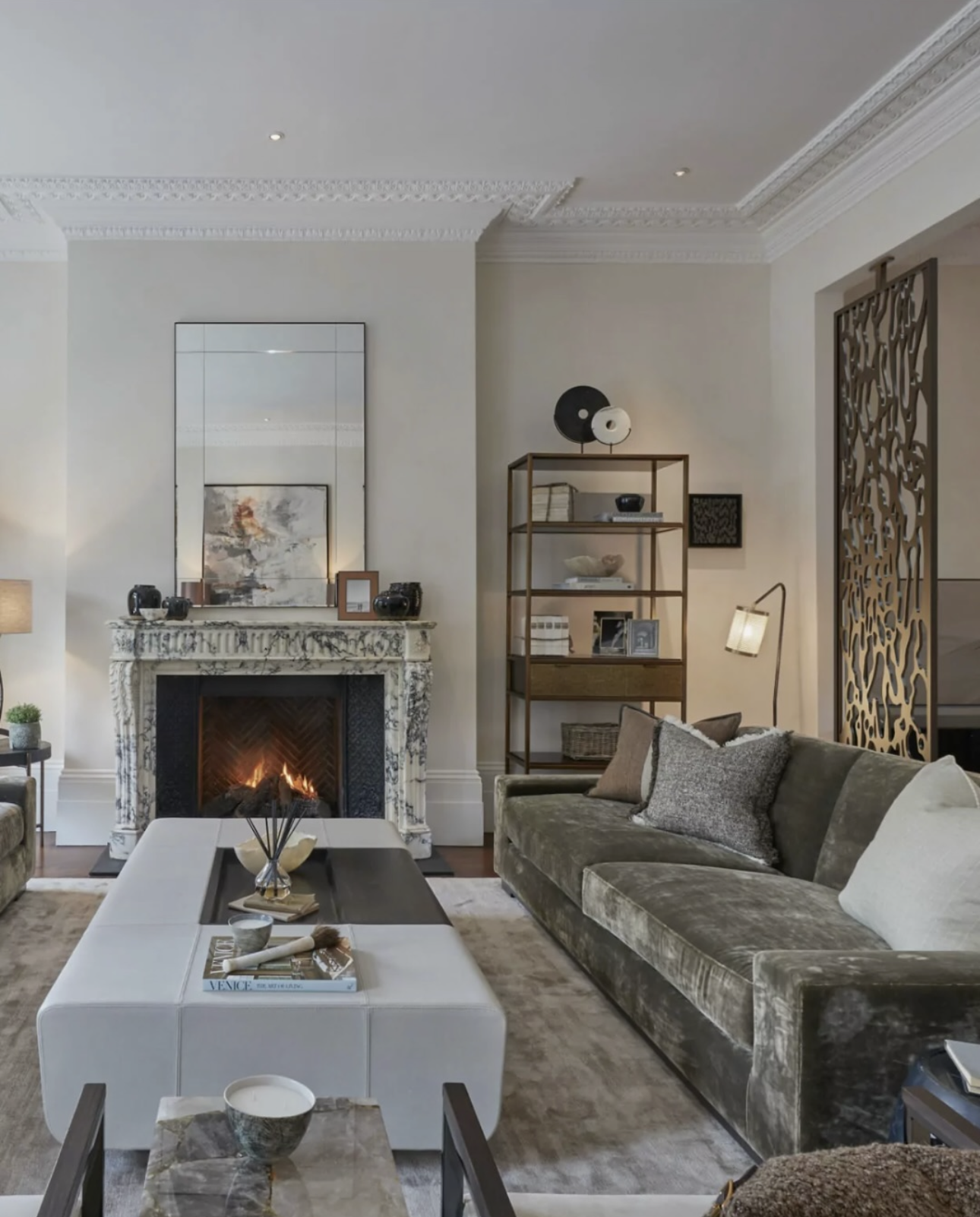
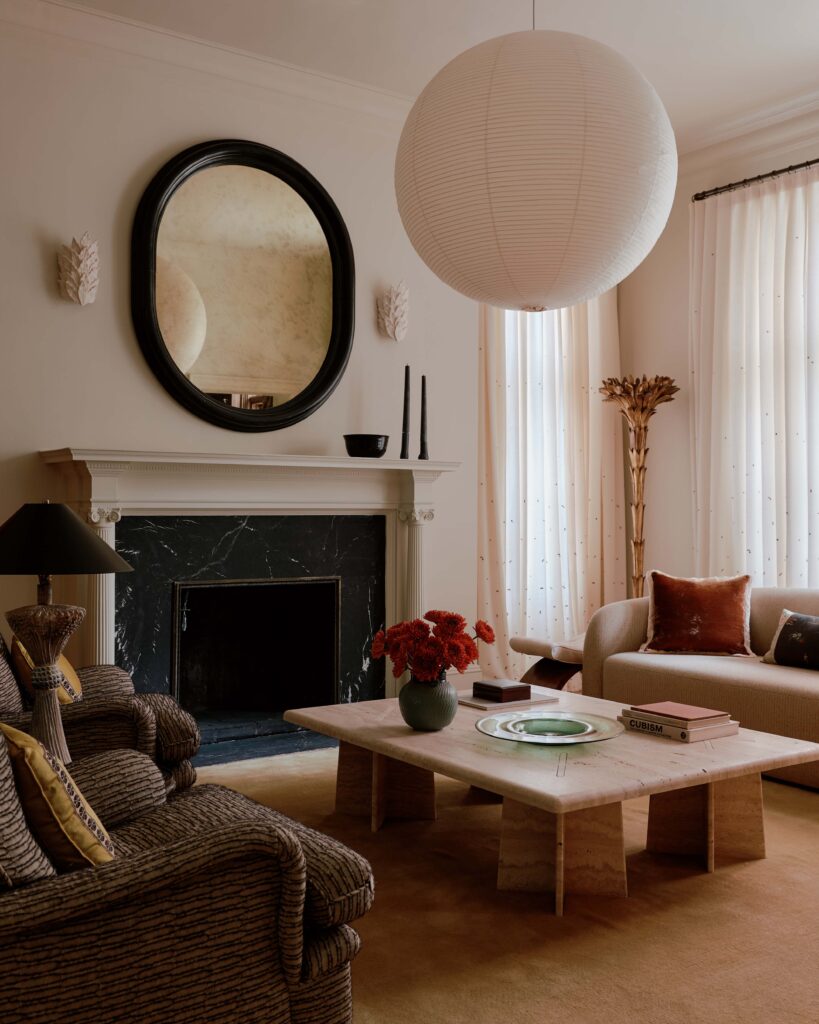
Design by Sophie Paterson
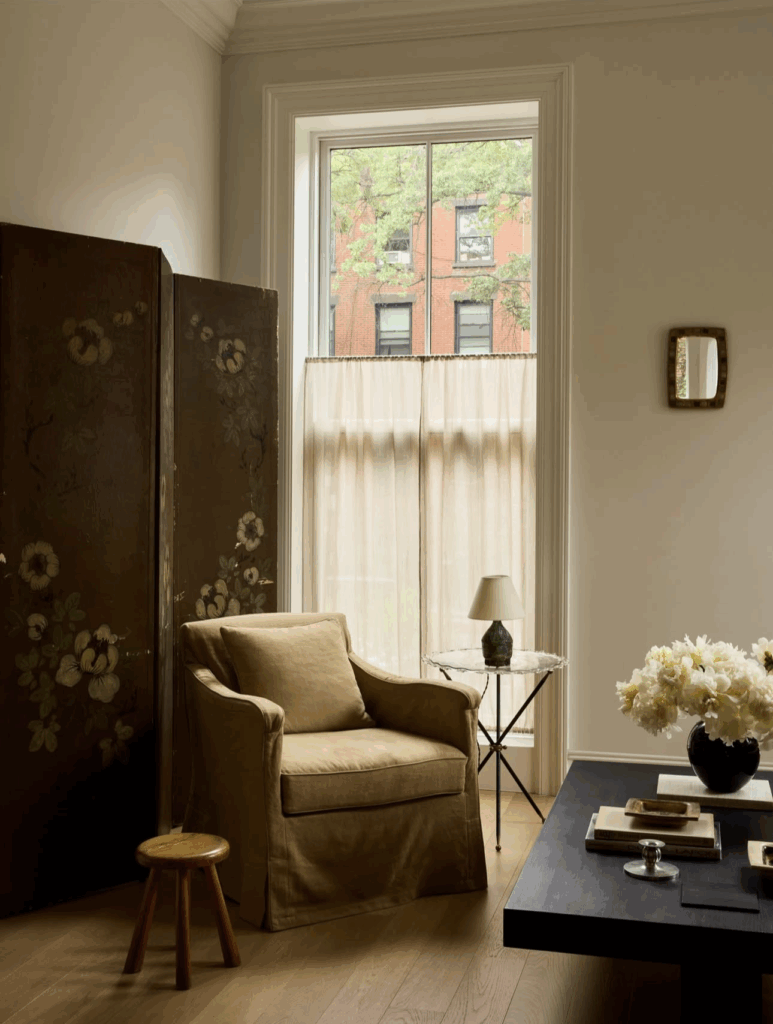
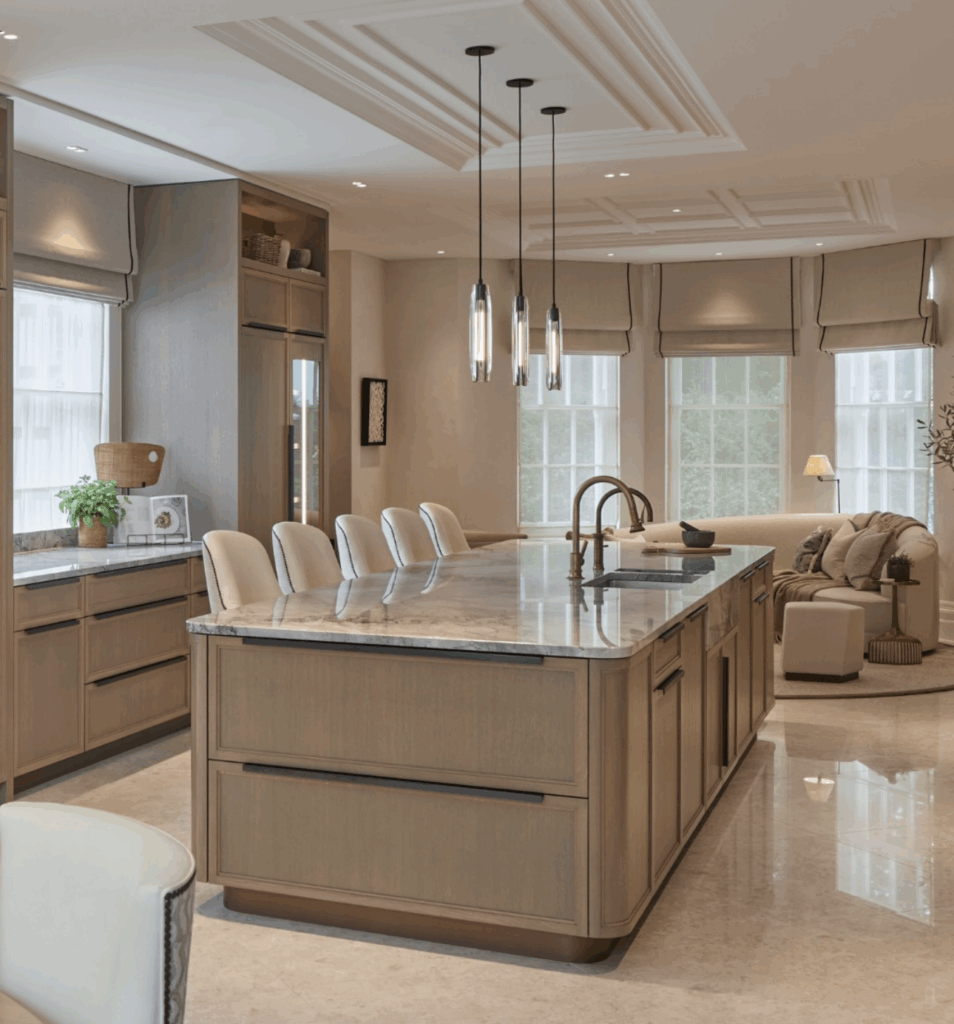
Design by Augusta Hoffman
Design by Sophie Paterson